
Seasonal Italian Cooking: Stop Forcing Tomatoes
Why seasonal Italian cooking works better than fixed-menu “Italian” food, with smarter methods, better timing, and less performance
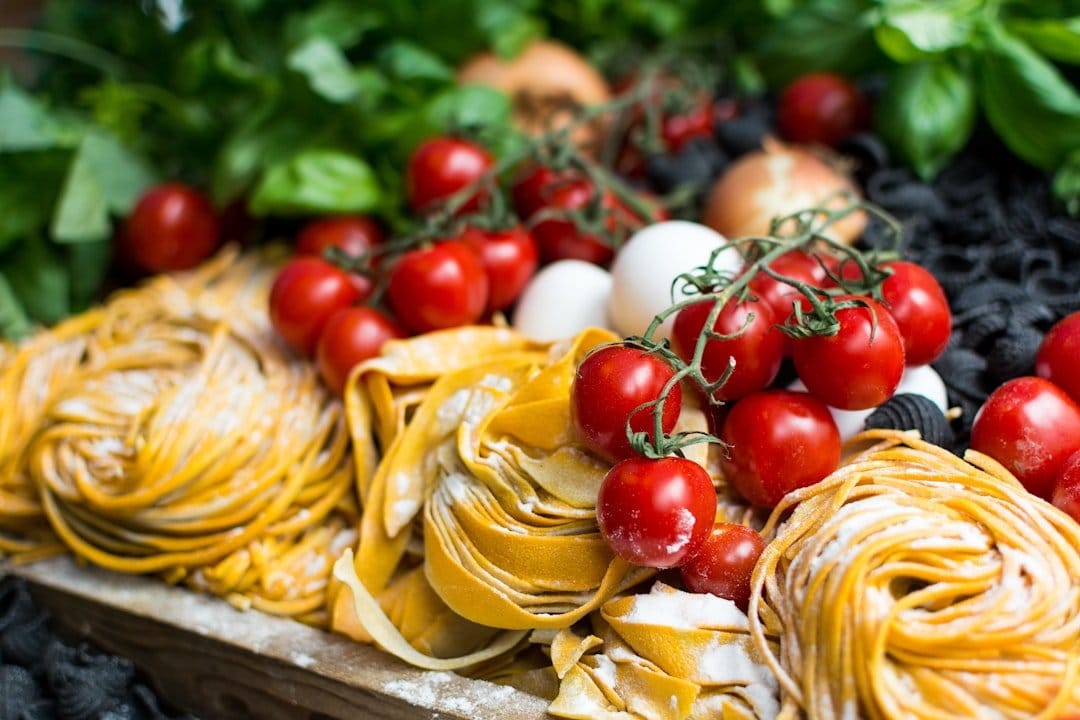
I’ve eaten some truly tragic “Italian” food in places with a Vespa by the bathroom and truffle oil on items that never consented to it. And I’ve had excellent Italian food in places that make zero sense on paper — like a deli in the Texas desert — because the person cooking understood the actual point.
The point is seasonal Italian cooking.
Not performance. Not nostalgia cosplay. Not burrata year-round like it’s a constitutional right. Just knowing what ingredient is having a good day, and not ruining it.
That’s the rant.
You do not need a Tuscan villa, a nonna named Giuseppina, or handmade plates in that specific oat-milk beige every design store is weirdly obsessed with. You need restraint, decent olive oil, and the humility to admit zucchini in July and squash in November are not the same conversation. If your idea of Italian cooking depends on tomatoes in January, I regret to inform you that’s not tradition. That’s branding.
Italian Food Has a Seasonality Problem in America
A lot of “Italian cuisine” in the U.S. is basically a fixed menu in witness protection. Red sauce. Burrata. Basil. Tomatoes. Repeat until morale improves. Doesn’t matter if it’s February in Chicago or October in Portland — somehow the plate still looks like peak August on the Amalfi Coast.
That is not how Italians actually cook.
Growing up around Italian food, what I absorbed wasn’t some sacred list of signature dishes. It was way less dramatic and way more useful: the menu changes because the market changes. My family didn’t sit around saying, “Tonight we honor the canonical preparation of X.” We looked at what was good, what was cheap, what needed using, and then somebody made pasta, soup, risotto, or a contorno out of it. Molto scientifico.
That’s the thing Americans miss. They treat Italian food like a greatest-hits album when it’s really more like an operating system. Real Italian cooking is less obsessed with “the dish” and more obsessed with timing. The ingredient sets the mood. Not your Pinterest board. Not your saved Reels. Definitely not a recipe headline promising “authentic weeknight magic” in 22 minutes.
Bon Appétit actually says this, in a very Bon Appétit way, in its risotto guide: risotto is a foundational method you can adapt endlessly with vegetables, herbs, cheeses, or seasonal toppings. That matters more than the recipe itself. The flexibility is not a cute bonus feature. It’s the whole religion.
That’s why seasonal Italian cooking feels so Italian to me. Not because it’s rustic and photogenic and comes with linen napkins. Because it refuses to be static. It reacts. It pays attention. It has the confidence to not serve the same thing all year just because customers expect basil leaves like emotional support animals.
I didn’t fully get this when I was younger. I used to think consistency was the gold standard because I had startup brain. Systems. Repeatability. Scale. Blah blah. Then I spent enough time in Italy watching people build dinner around whatever looked best at the market that I realized consistency is wildly overrated if it makes your food dumber.
The Real Flex Is a Method, Not a Recipe
The smartest Italian cooks I know do not have 47 open tabs with “easy authentic recipes.” They have a few base techniques in their bones, and then they riff.
That’s the flex.
Risotto is the cleanest example. It’s not one dish. It’s a format. Spring peas and herbs. Summer zucchini and lemon. Fall mushrooms. Winter squash with sage if you’re feeling a little theatrical. Same skeleton, different outfit.
Bon Appétit recommends a short-grain rice with high starch content — carnaroli or arborio — because you want that creamy texture without the rice turning to baby food. Also, and this should free a lot of people spiritually, you do not need to stir constantly. Frequent stirring is enough. You’re making dinner, not preparing for some weird forearm decathlon.
This is one of my favorite examples of seasonal Italian cooking because it kills the internet-brain idea that every variation needs its own holy scripture. It doesn’t. Learn one reliable method and stop acting like every zucchini requires a full rebrand. Last month in Milan, I had a risotto that was basically rice, zucchini, lemon, and cheese. Four notes. No foam. No tweezers. No “deconstructed” nonsense. It was perfect, which is annoying, because as a founder I’m professionally inclined to overbuild everything.
Wine matters here too, but not in a snobby way. Bon Appétit suggests a dry white you’d actually want to drink: Pinot Grigio is the classic move because it’s bright and clean, while unoaked Chardonnay works better with earthier ingredients like mushrooms or squash. That’s not wine-guy theater. It’s just flavor logic. Match the mood of the rice to the mood of the season.
And if you’re thinking, “Cool, but I’m not intuitive enough to cook like that,” let me save you some time: neither was I. I like rules because rules make me feel safe and competent, which is a very sexy thing to admit. Improvising used to stress me out. But once you realize a method is just a small set of trustworthy decisions — toast the rice, add liquid gradually, stir enough, finish with acid or fat or cheese depending on what’s in front of you — the panic drops.
You don’t need more recipes. You need better instincts.
You Don’t Need to Be in Italy. You Need to Pay Attention
I love authenticity. I just hate authenticity as performance art.
As an Italian-American, I’ve spent a stupid amount of time around people trying to determine whether food “counts.” Was it made by an actual Italian? Was the flour imported? Did the chef spend six months in Bologna having a spiritual awakening over ragù? Mamma mia, relax. Italian food is not sacred because of postcode or accent. It works because it follows ingredient logic.
That’s why I loved Eater’s piece on Bordo in Marfa. It’s an Italian deli and café in a former 1930s mechanic shop in far West Texas, opened in March 2023. On paper, that sounds like the setup to a joke told by a food editor after two negronis. In reality, it makes perfect sense because Michael Serva built it as an expression of his Italian roots, not as a theme park.
That, to me, is incredibly Italian.
You transplant the instinct, not the exact landscape. You do not need to recreate Emilia-Romagna under laboratory conditions. You need to understand what makes Italian food feel right: balance, timing, simplicity, and a kind of practical sensuality. Very little is overexplained. Things just taste like themselves, only better.
I had a similar realization the first time I ate really good Italian-ish food outside the usual prestige cities. Not New York. Not Rome. Not LA. Just a place where someone was paying attention. That was weirdly comforting. For a long time, I thought my connection to Italian food depended on proximity — to family, to language, to Italy itself. Turns out it survives translation better than I expected.
If the instinct is intact, the food travels.
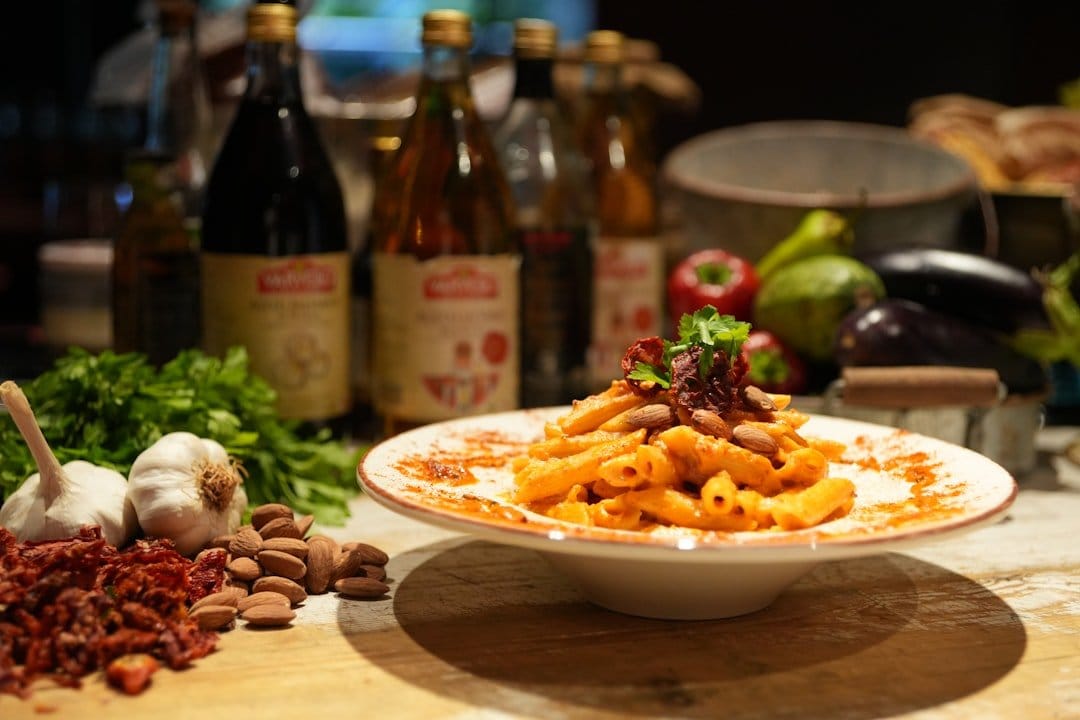
Seasonal Italian Cooking Means You Stop Fighting the Ingredient
One of my stronger opinions — and I have many, condolences to anyone who has sat next to me at dinner — is that seasonal cooking gets marketed like a luxury hobby for people who own ceramic salt cellars and say “curate” about lunch. That’s nonsense. Seasonal Italian cooking is usually humble. Sometimes aggressively humble.
It’s not about expensive ingredients. It’s about alignment.
When something is actually in season, you need less from everything else. Less acid, less cheese, less garnish, less storytelling. If you have to add six things to make a tomato taste alive in February, maybe the tomato is the problem. My nonna would probably throw a wooden spoon at me for saying it this bluntly, but a lot of “elevated” cooking is just emergency rescue work for mediocre produce.
Some of the best Italian meals are basically one carb, one vegetable, one acid, one cheese, and a little ego. That’s it. And yes, the ego is part of the recipe. Don’t be childish.
You can see the same logic in restaurants that get the balance right. Eater’s Seattle guide calls out Bottega Gabriele, which is a great example of Italian flavor meeting local appetite and timing without getting gimmicky. They even include the most useful possible tip: go before 11:30 a.m. or after 1:30 p.m. if you don’t want to stand in line. That’s how you know a place is real. There’s a lunch rush, and nobody is pretending otherwise.
The menu item I love is the mortadella sandwich with ricotta, lemon zest, arugula, and hot Calabrian chile honey. It works for the same reason good Italian home cooking works. Richness gets brightness. Fat gets bitterness. Salt gets sweetness and heat. Nothing is there to show off. Everything is there to keep the thing in balance.
That same principle applies at home more than people think. If the zucchini is great, your job is not to write a 14-ingredient fanfiction about it. Slice it, cook it in olive oil, finish with lemon or mint or Parmigiano depending on the mood, and move on with your life. The ingredient is peaking. Trust it.
Cook Like an Italian, Not Like a Content Creator
The internet has done something very strange to Italian cooking. It’s either treated like a museum piece — only this exact version is real — or an aesthetic mood board with floating basil, dramatic burrata pulls, and someone whispering “nonna” over lo-fi music.
I’m tired.
Cook food, not content.
My version of a more grounded philosophy is simple: shop first, decide later. Buy what looks alive. Repeat a few techniques until they become instinct. Stop trying to produce a cinematic Tuscan identity every Tuesday night.
This is one of the few areas of life where winging it is actually a sign of competence. That’s probably why I love it. In work, winging it can cost you six figures and a painful board meeting. In the kitchen, winging it often means dinner tastes better because you responded to reality instead of forcing a plan.
Here’s the framework I actually use.
Pick one base method
Risotto. Pasta. Soup. Roasted vegetables. Beans. A simple contorno. If you know one of these well, you can make 20 dinners without boring yourself to death.
Buy what’s actually in season and tastes good
Not what a recipe told you to buy three days ago. Not what looked cute on TikTok. What smells good, feels heavy for its size, has color, has life. If the tomatoes are pale and depressing, don’t buy them. Nobody is holding a knife to your throat and demanding caprese.
Let the ingredient decide the support system
Does dinner want butter or olive oil? Cheese or lemon? Broth or salted water? Bon Appétit’s risotto method even points out that salted water can be better than stock because it gives you a cleaner taste that highlights the rice itself. I love that detail. Restraint beating heaviness. That’s basically the whole thesis.
That’s really all seasonal Italian cooking is: a few trustworthy methods, decent ingredients, and the emotional maturity to stop forcing summer flavors into winter because you miss Capri.
Same, by the way. I also miss Capri.
But the answer is not those sad supermarket tomatoes in January.
The next time you want to cook “Italian,” don’t ask what dish sounds Italian. Ask what ingredient is having its moment, and what simple method will make it taste more like itself. That’s the whole game.
My bet? As people get more exhausted by overdesigned food and algorithm recipes, seasonal Italian cooking is going to stop feeling like tradition and start feeling like rebellion. The smart kind. The delicious kind.
Less performance. More timing.
That’s the real nonna energy.