
ETIAS Delay Exposes Europe’s Border-Tech Trust Gap
Europe’s ETIAS holdup is no longer a simple timing issue. It now signals a deeper credibility problem in the EU’s border-tech rollout.
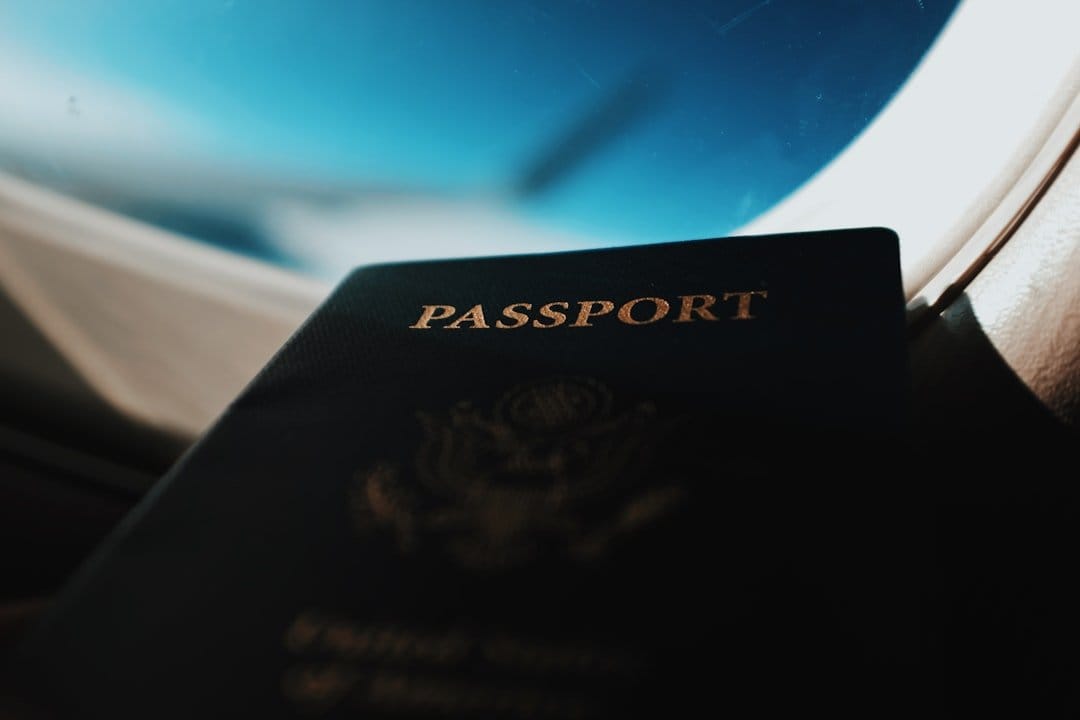
ETIAS 2027 delay deepens Europe border-tech credibility crisis is not really about one more travel form. It is about what happens when institutions keep selling a smooth digital future while the actual systems, timelines, and traveler experience keep looking unstable.
ETIAS itself is not especially dramatic. It is a pre-travel authorization. Fill out a form, pay a fee, get approved before flying. Annoying, yes, but manageable. The larger issue is that Europe keeps presenting border tech as modern and inevitable while launch dates slip, messaging softens, and confidence erodes.
That is why this has become a credibility story rather than a narrow administrative update. Once travelers stop believing the dates, the problem is no longer ETIAS alone. It is the trustworthiness of the whole border-tech project.
ETIAS 2027 delay deepens Europe border-tech credibility crisis
The clearest signal was not a dramatic announcement. It was a quiet wording change on the European Commission’s ETIAS page. The site now says the system is “currently not in operation” and that the EU will announce the start date “several months prior to its launch.”
That language matters because it replaced earlier public references pointing to a Q4 2026 start. The date disappeared, and no equally firm replacement appeared. That is not a cosmetic edit. It is a sign that the previous timetable no longer holds.
The UK House of Commons Library noted the same shift in its 2026 briefing on EES and ETIAS, observing that the EU changed the ETIAS webpage in July 2026 and removed the late-2026 reference. ETIAS.co.uk also tracked the change and connected it to reports of a likely 2027 delay.
When institutions move from precise dates to softer language, travelers notice immediately. A vague promise to update people later does not create confidence. It creates hesitation.
EES has already damaged confidence in digital borders
ETIAS is arriving after EES, the Entry/Exit System, and that matters. On paper, ETIAS sounds straightforward. In practice, travelers now hear “digital border modernization” and think about queues, broken e-gates, confused processing, and delays.
According to Euronews and Travel Weekly, the likely ETIAS delay is tied directly to the troubled rollout of EES. Once one border-tech system becomes associated with operational chaos, every related system inherits that reputation.
The most serious warning came in a joint letter from IATA, ACI EUROPE, and Airlines for Europe to EU Commissioner Magnus Brunner. The groups warned that current conditions were already creating waits of up to two hours, and that full EES registration during peak summer could push waits to four hours or more.
They identified three practical causes:
- Chronic understaffing
- Unresolved technology issues
- Poor adoption of the Frontex pre-registration app by Schengen states
Those are not abstract policy concerns. They are the ordinary operational failures that make real systems feel unreliable to users.
The current rollout stage already requires registration for 35% of all third-country nationals entering the Schengen area. That means the system is showing strain before full load.

The European Commission still says ETIAS is meant to “facilitate crossing borders” and “avoid bureaucracy and delays.” That promise is difficult to square with visible instability in the systems ETIAS depends on.
When member states want flexibility, the rollout is not stable
The credibility problem becomes even clearer when governments start asking for ways to slow or suspend implementation. Travel Weekly reported that nine EU states raised “serious concern” about the European Commission refusing to relax EES rules as summer queues worsened.
The same industry letter from IATA, ACI EUROPE, and A4E urged the Commission to preserve the ability to partially or totally suspend EES until the end of October 2026. Under Regulation 2025/1534, those suspension mechanisms become harder to use after early July.
That is not what a confident rollout looks like. It looks like institutions and operators trying to keep an emergency brake within reach.
ACI EUROPE’s Olivier Jankovec, A4E’s Ourania Georgoutsakou, and IATA’s Thomas Reynaert described a “complete disconnect” between the EU institutions’ view that EES was functioning well and the reality of massive delays and inconvenience for non-EU travelers.
complete disconnect
That phrase captures the heart of the issue. Official dashboards may suggest progress, but travelers trust what happens in the airport queue.
Travel Weekly also reported staffing increases by the UK and France at Channel crossings to manage EES-related pressure. More staff may help, but it also exposes the contradiction: the promise is frictionless automation, while the rescue plan is more manual intervention.
The ETIAS fee is not the real problem
The updated €20 ETIAS fee is unlikely to stop most people from traveling. For the typical visitor, it is an irritation rather than a deal-breaker.
According to the European Commission, the fee rose from €7 to €20 because of inflation since 2018 and additional operational costs tied to new technical features. That explanation is plausible enough. Infrastructure costs money.
ETIAS is expected to apply to visa-free travelers visiting 30 European countries for stays of up to 90 days within any 180-day period, including travelers on US, UK, Canadian, and Australian passports. This is a broad traveler base, not a niche category.
The frustration comes from the combination of factors:
- An extra fee
- No fixed start date
- No convincing proof that the border experience will improve
If the rollout looked solid, the fee would feel routine. Without confidence, even a modest charge feels like a request for trust that has not been earned.
This is what delayed government tech looks like
The ETIAS concept dates back to 2016, and the regulation was adopted in 2018. That is a long runway for a system that still sits in a vague pre-launch state.
Meanwhile, EES has missed deadlines since its original 2022 target, according to specialist reporting cited by ETIAS.co.uk. The reasons are familiar: procurement problems, technical faults, and slow implementation across member states.
According to the Commission, eu-LISA is responsible for developing ETIAS. Reporting cited by ETIAS.co.uk says people briefed on the matter concluded that a 2026 launch is no longer feasible. One source reportedly called a 2026 launch “illusory.” Another said there were still “some IT issues” and argued EES should be fixed before adding another system that could double queues.
This pattern is familiar in large technology projects:
- A clean future vision is announced early
- Automation is expected to simplify messy human processes
- Operational edge cases multiply
- Timelines slip
- Official language becomes less precise
- Users stop trusting launch dates
That is why this issue is bigger than ETIAS itself. The damage comes from repeated overconfidence followed by visible retreat.
Travelers are already adapting to uncertainty
In practice, travelers are building their own playbook. They are ignoring announced dates, watching airport operations, waiting for hard launch notices, saving screenshots, and treating official certainty with caution.
This is also why coverage from Travel Weekly and Euronews matters. Both frame the delay in practical trip-planning terms for visa-exempt visitors. That is the real question travelers care about: Do I need ETIAS for this trip or not?
Right now, the Commission’s answer is essentially that it will provide several months’ notice. That may be more honest than pretending a firm date still exists, but it also confirms that the old timetable is gone.
As a result, the most trusted information sources may become airline emails, airport updates, family chats, and traveler communities rather than official confidence alone. That is a sign of adaptation, but it is also a sign of institutional weakness.
Europe’s real problem is credibility, not paperwork
Travelers can absorb one more form. They can absorb a €20 fee. They can even absorb a phased rollout if the system works and the communication is concrete.
What they are less likely to forgive is being told, once again, that the future will be frictionless while they face long waits and unreliable border technology in the present.
That is why the central issue is not simply whether ETIAS launches in 2027. It is whether anyone still believes the next date they are given.
Frequently asked questions
Do travelers need ETIAS yet for trips to Europe?
Travelers do not need ETIAS yet because the system is currently not in operation. The European Commission says it will announce the start date several months before launch, so travelers should wait for official live notices rather than plan around old timelines.
Why does the ETIAS delay matter if it is just a travel authorization?
The ETIAS delay matters because it reflects a broader credibility problem in Europe’s border-tech rollout. The issue is not only the form or fee, but repeated timeline slippage, softer official messaging, and visible strain in related systems such as EES.
Is the €20 ETIAS fee the main reason travelers are frustrated?
The €20 ETIAS fee is not the main source of frustration because most travelers will likely pay it and move on. The bigger problem is being asked to trust and pay for a system that still lacks a fixed start date and proven operational reliability.
Sources
- Primary trending article
- EU states raise ‘serious concern’ at EC refusal to relax EES rules
- UK and France to increase staffing to tackle EES border queues
- EU ‘set to delay’ Etias system after EES queue chaos
- The EU Entry/Exit system and EU travel authorisation system
- European Travel Information Authorisation System