
The Case for Eating Seasonally Beyond Supermarkets
Supermarkets promise everything all year, but seasonal eating brings back flavor, anticipation, and a more intuitive way to cook.
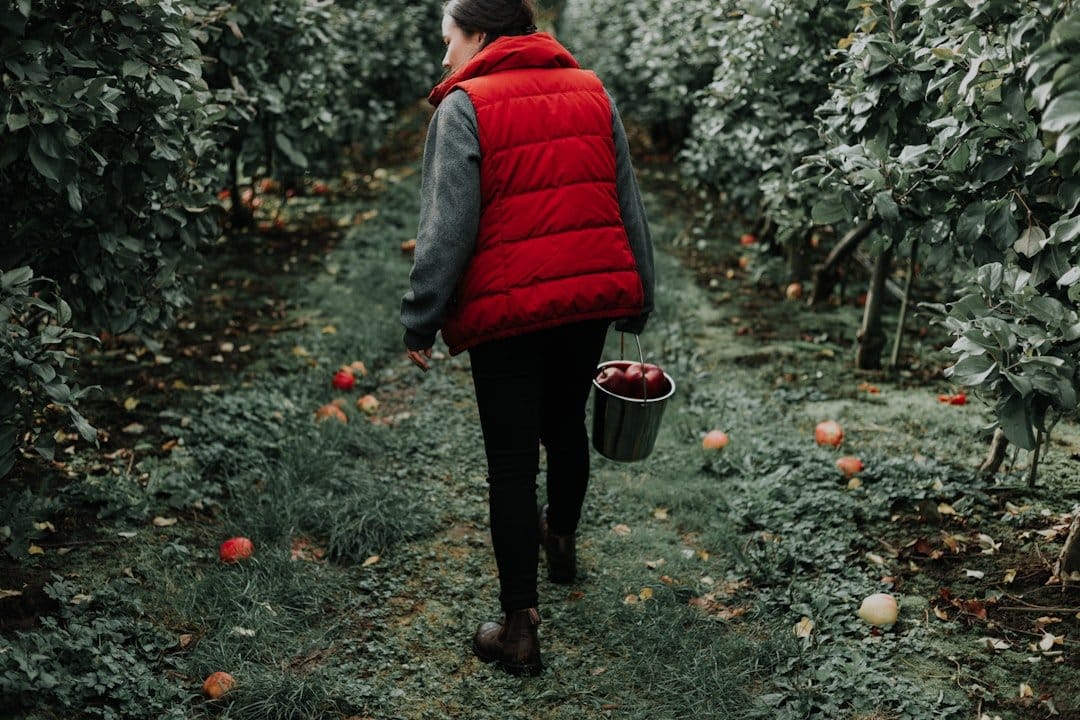
I once paid like $9 for strawberries in February, brought them home feeling smug, bit into one, and got absolutely nothing. Not sweetness. Not tartness. Just cold red disappointment.
That is the case for eating seasonally even when the supermarket says otherwise.
Because the scam is not just that supermarkets sell tomatoes in January and asparagus in November and blueberries whenever global shipping feels ambitious. It is that they have trained us to confuse available with worth eating.
Living between Italy and the U.S. made this impossible to ignore. In Italy, things had a season, then a little moment, then they disappeared. Fava beans showed up and suddenly everybody cared. Zucchini flowers arrived and people started acting possessed. Then, ciao, onto the next thing. In America, I walked into grocery stores and realized ingredients here do not have moments. They have shelf space. Permanent shelf space. Like they signed a lease and renewed it.
Convenient? Sure. Delicious? Be serious.
And no, I am not doing that annoying food snob thing where I tell you to churn your own butter and forage nettles at sunrise. I am talking about flavor. About anticipation. About remembering that the produce aisle is not some neutral narrator of reality.
It is a logistics machine with nice lighting.
The case for eating seasonally even when the supermarket says otherwise starts in the produce aisle
American supermarkets are weirdly good at making nature look like software. Everything is always on. Tomatoes. Berries. Zucchini. Herbs in those sad little plastic boxes that somehow rot and dry out at the same time. The message is obvious: if it exists, you should be able to buy it right now.
That message is nonsense.
A Guardian piece about shopping for local produce called it an “illusion of constant sameness,” which is a very elegant British way of saying: this place is lying to your face under fluorescent lights. The article suggests looking for signs about what is grown locally and asking what is actually in season nearby.
But the display is not truth. It is supply chain theater.
And once you start seeing that, a lot of modern grocery shopping gets less impressive. If you buy the same basket of supermarket produce every week, all year, your food starts tasting like a default setting. FoodPrint makes the practical point here: in-season produce usually tastes better and can be fresher and more nutritious.
Tomatoes are where I get irrational. Or, depending on how you were raised, extremely rational. A winter tomato is not a tomato. It is a rumor. My nonna would have cut one open, looked at the watery guts, and taken it as proof that civilization was in decline.
When I was a kid in Italy, tomatoes had a season and a job. Summer tomatoes were for salads with olive oil and salt, for sugo, for eating over the sink because waiting for a plate felt stupid. In the U.S., I met the all-year tomato: gorgeous from across the room, emotionally unavailable up close.
And once you accept that kind of blandness as normal, you stop shopping with curiosity. You stop asking, “What is actually good right now?” and start asking, “Where is the thing I always buy?” Efficient, maybe. Also the fastest route to boring food I know.
Flavor loves a short season
My hot take is that the short season is the whole point.
I do not mean scarcity in the bleak, apocalypse way. I mean temporary abundance. I mean that brief window when something is suddenly everywhere and actually tastes like itself. That is what makes food memorable. If you can get it 365 days a year, your brain stops caring. Familiarity does not just breed contempt. In food, it breeds indifference.
Ramps are the obvious example. Every spring, a certain kind of food person starts acting like ramps are Beyoncé tickets. Some of that is extremely annoying. I know this because I am, regrettably, one of those people.
Still, the obsession exists for a reason.
Bon Appétit basically says the quiet part out loud: people care because the season is short. That tiny window is what makes ramps exciting. You do not see them all year in a normal grocery store, and that is exactly why, when they show up, everybody starts throwing them into pasta, risotto, butter, eggs, and toast. Then they vanish. Fine. Good, even.
That is not hype. That is attention.
The Guardian also talks about hyper-seasonal shopping, and the idea is solid. Some ingredients are incredible for, like, ten minutes. That is the whole deal. You either notice, or you miss it.
There is also a psychological thing here that matters more than people admit: anticipation sharpens flavor. The first real peach of summer hits harder because your body remembers every sad, mealy peach-shaped object that came before it. The first asparagus of spring tastes like a reset. The first clementines when it gets cold again feel almost stupidly good.
I am not romanticizing. I am reporting.
When I first moved to the U.S., year-round abundance actually made me a little homesick in a way I could not explain at first. Mostly I missed the rhythm. I missed the year being marked by food. When everything is always available, the seasons blur. And when the seasons blur, life gets flatter in these weird little ways.
My nonna never needed a TED Talk about seasonal eating
Nobody in my family used the phrase “seasonal eating.” There was no manifesto. No chart on the fridge. No guy in expensive sneakers telling us to reconnect with the earth.
We just cooked what was showing up.
That is still one of my favorite things about Italian food when it is honest: it does not try to bully ingredients into being something they are not. It responds. If the artichokes are good, you make artichokes. If the peas are sweet, dinner starts there. If zucchini flowers appear, suddenly everyone remembers joy.
That builds better instincts in the kitchen. Instead of deciding on a recipe and forcing ingredients to obey, you start with what looks alive. You walk through the market, or honestly even a decent grocery store, and the ingredients tell you what they want to be.
Bon Appétit had a spring chicken pasta primavera recipe built around produce “now flooding the markets,” like asparagus, peas, and green beans. That phrase matters. Flooding the markets. That is how good seasonal cooking works. Not “What do I feel like making six Thursdays from now?” but “What is everywhere right now because nature is showing off?”
That was normal in my house. Spring tasted green. Summer tasted like tomatoes, basil, and chaos. Fall was mushrooms, squash, chestnuts, grapes. Winter was bitter greens, beans, citrus, soups that fogged up the windows. Nobody moralized it. You just paid attention.
Meanwhile, American meal-prep culture can feel like a hostage situation with your own grocery list. People choose five recipes on Sunday and then march into Trader Joe’s demanding that the earth comply. If the recipe wants cherry tomatoes in February, then by God there will be cherry tomatoes in February, even if they taste like a formal apology.
I get it. I love structure. I have built companies. I color-code calendars. I am not living by moonlight and vibes.
But food gets better when the plan can bend a little.
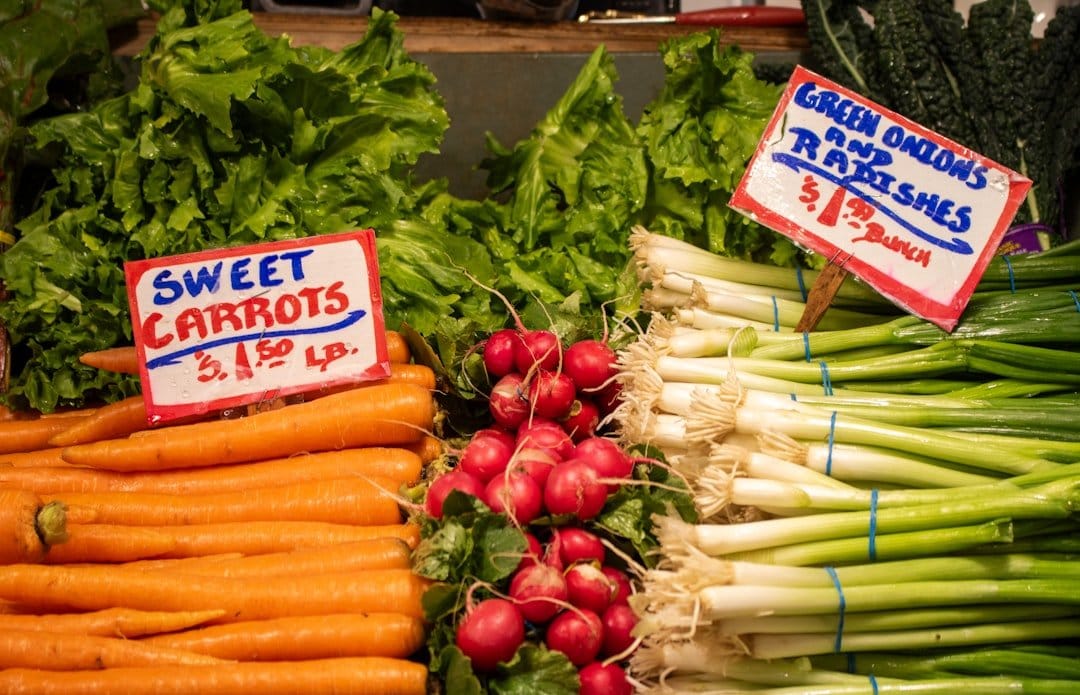
Seasonal eating makes you a better cook
This is the least preachy version of the case for eating seasonally even when the supermarket says otherwise I can give you: limits make you more creative.
Infinite choice sounds sexy until you actually have to choose. Then it becomes Netflix for vegetables. You stare. You scroll. You default. Same spinach. Same cucumbers. Same grape tomatoes. Same baby carrots. You call it healthy and move on.
The produce aisle is no different.
When I shop seasonally, I do not start with “I am making X.” I start with “What looks incredible?” If the asparagus is absurdly good, I am making pasta, risotto, or roasting it with lemon and parm. If I find peas that actually snap and taste sweet, I am not burying them under some heavy sauce because a meal plan told me to. I am building around them.
That one shift makes me cook better every single time. I pay more attention. I get less rigid. I improvise more.
And improvising does not mean chaos. It means responsiveness.
Last month in Milan, I stopped by a neighborhood market planning to make amatriciana. Then I saw the first peas of the season, tiny zucchini, and herbs that smelled so alive it was almost rude. So I changed course. Ten minutes later I was making pasta with peas, zucchini, lemon zest, pecorino, and an irresponsible amount of black pepper. Was it the plan? No. Was it better? Obviously.
I think a lot of people avoid cooking this way because it requires trust. You have to trust your senses more than the recipe. You have to believe that if the mushrooms look amazing, maybe dinner should be about mushrooms.
For a while, I hid behind recipes because they made me feel in control. But the meals I actually remember are almost never the ones I followed perfectly. They are the ones where the market nudged me somewhere and I listened.
That is seasonal cooking.
Less obedience. More awareness.
No, you do not need to become a farmers’ market monk
I can already hear it. Sounds lovely, but I have a job, kids, a group chat I cannot escape, and exactly 14 minutes to grocery shop.
Fair.
This is not about becoming the kind of person who wakes up at dawn to inspect heirloom chicories. You do not need a linen tote and a spiritual relationship with your mushroom guy. You can eat seasonally in a regular supermarket if you stop treating the produce section like a vending machine.
Start small.
- Look for signs that say local or tell you where something was grown.
- Ask produce staff what is in season nearby.
- Watch for abundance and price drops.
- Let what looks best shape dinner.
If there is a giant mountain of asparagus and it suddenly costs half what it did two weeks ago, that is not random. If peaches are piled to the ceiling in August, if citrus takes over in winter, if sweet corn starts colonizing the entrance in July, that is your clue. Follow the excess. Nature is not subtle.
FoodPrint backs up the practical side too: seasonal produce often tastes better, can be fresher and more nutritious, and supports local food systems. But honestly, even if you ignore the ethics and nutrition for a second, flavor is enough reason.
The biggest shift is mental. Stop expecting the same meals every month of the year. You do not need tomato-basil salad in February. You need a February personality. Maybe that is fennel and orange. Maybe it is chicories with anchovy dressing. Maybe it is beans, cabbage, leeks, roasted squash, whatever still tastes like it has a pulse.
Seasonal eating is not about purity. It is about paying attention.
The real luxury is still wanting something
I keep coming back to anticipation because I think that is what the supermarket quietly stole from us. If everything is always there, nothing gets an entrance. No ingredient gets a season. No peach gets a comeback tour. No tomato gets to be summer’s main character.
And when food loses that rhythm, taste gets flatter. So do we.
So yes, this is the case for eating seasonally even when the supermarket says otherwise. Not because I want us all pretending to be Tuscan peasants in a linen ad. Not because convenience is evil. I love convenience. I use Instacart. I contain multitudes.
But maybe the real luxury is not having everything all the time.
Maybe it is still being capable of wanting something, waiting for it, and then knowing, immediately and viscerally, when it has finally arrived.
If that sounds dramatic, good. So is the first perfect peach of summer.